Moisture-Vapor Barriers
Moisture-Vapor Barriers in Washington
Code-compliant concrete moisture protection, slab prep to final coating
Moisture-vapor barrier coatings for Washington concrete, addressing slab moisture-vapor-transmission risk with the technical rigor Washington's own building code requires.
What's Covered
Technical moisture-testing and slab-prep authority, not a marketing narrative
Moisture-vapor barrier coatings for slab-on-grade concrete
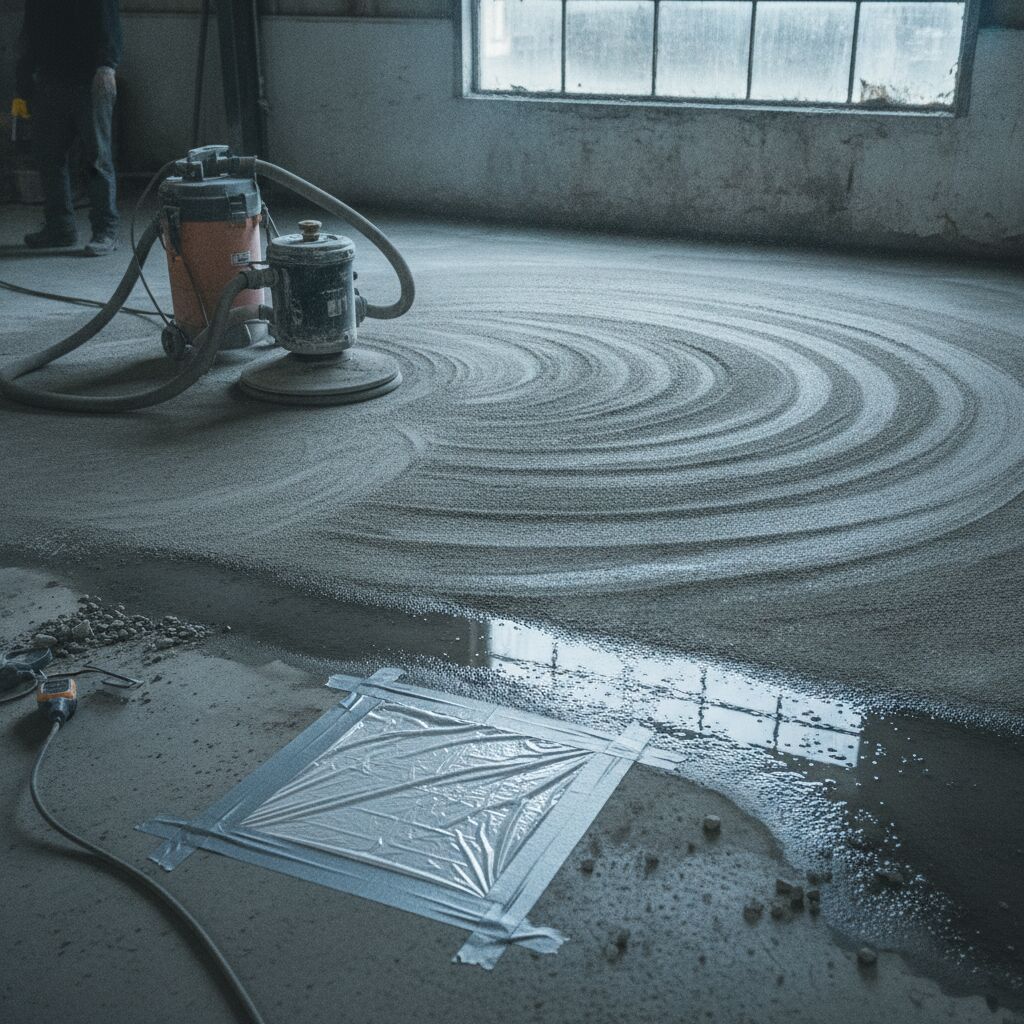
Concrete moisture testing and surface preparation prior to coating
Code-aware installation practices for Washington concrete moisture requirements
Applicable to residential, commercial, and industrial slabs statewide
Washington's Building Code
This is a code and slab-prep question, not a weather question
Concrete moisture-vapor transmission is a technical property of a slab — how it was poured, cured, and what sits beneath it — not primarily a function of how much it rains outside. Washington's own building code, WAC 51-11R-40241, addresses concrete moisture-vapor requirements directly, and a licensed installer familiar with that code is the right authority for a project involving slab moisture risk — not a generic Pacific Northwest rain-and-mold pitch.
WAC 51-11R-40241 and code-aware installation
Washington's own building code addresses concrete moisture-vapor requirements under WAC 51-11R-40241. A licensed installer familiar with these requirements can advise on what applies to your specific project — [contact us to discuss your project's requirements].
Why coatings blister or delaminate
Blistering and delamination are often signs of underlying slab moisture pushing against a non-breathable coating from below. It's a slab-condition problem that shows up at the surface, not primarily a symptom of ambient humidity or rainfall.
Why moisture testing comes first
Proper concrete moisture testing and surface preparation is a standard step before applying a moisture-vapor barrier coating, so the system installed is matched to your slab's actual condition rather than a one-size-fits-all assumption.
Moisture testing & installation process
Step 1
Concrete Moisture Testing
Before any coating goes down, the slab is tested for moisture-vapor-transmission risk. This step is what separates a moisture-vapor barrier installation from a standard coating job — you're addressing the condition of the slab, not just its surface.
Step 2
Code-Aware Assessment
Washington's own building code addresses concrete moisture-vapor requirements, and installation practices are approached with that code context in mind rather than a generic, one-size-fits-all process.
Step 3
Surface Preparation
The slab is properly prepared based on what the moisture testing found — a step that determines whether the barrier coating actually performs or fails prematurely.
Step 4
Moisture-Vapor Barrier Coating
A moisture-vapor barrier system is applied to address the slab's specific moisture-vapor-transmission risk, matched to the conditions found during testing.
Who It's For
Built for anyone with a real slab-moisture question
- Homeowners and commercial property owners concerned about slab moisture intrusion
- Builders and property managers needing code-aware moisture-vapor barrier installation
- Facilities with a history of coating blistering or delamination from underlying moisture
At a glance
Serving residential, commercial, and industrial slabs across Seattle, Tacoma, Bellevue, Spokane, Olympia & statewide Washington.
Timeline depends on moisture-testing results and slab prep needed — [contact us for a project-specific timeline].
[Contact us for a project-specific estimate — pricing depends on slab condition, testing results, and square footage].
Code-aware installation practices referencing Washington's own building code, WAC 51-11R-40241.
Dealing with a blistering coating or a moisture question?
Let's talk through your slab's specific condition.
Questions
Moisture-vapor barrier FAQ
Does Washington have building code requirements for concrete moisture barriers?
Washington's own building code addresses concrete moisture-vapor requirements; a licensed installer familiar with these requirements can advise on what applies to your specific project — [contact us to discuss your project's requirements].
Why does a coating blister or bubble after installation?
Blistering and delamination are often signs of underlying slab moisture pushing against a non-breathable coating from below — proper moisture testing before installation helps catch this risk before it becomes a failed coating.
Do you test for moisture before coating?
Yes — proper concrete moisture testing and surface preparation is a standard step before applying a moisture-vapor barrier coating, to ensure the system is matched to your slab's actual condition.
Get a code-aware moisture assessment
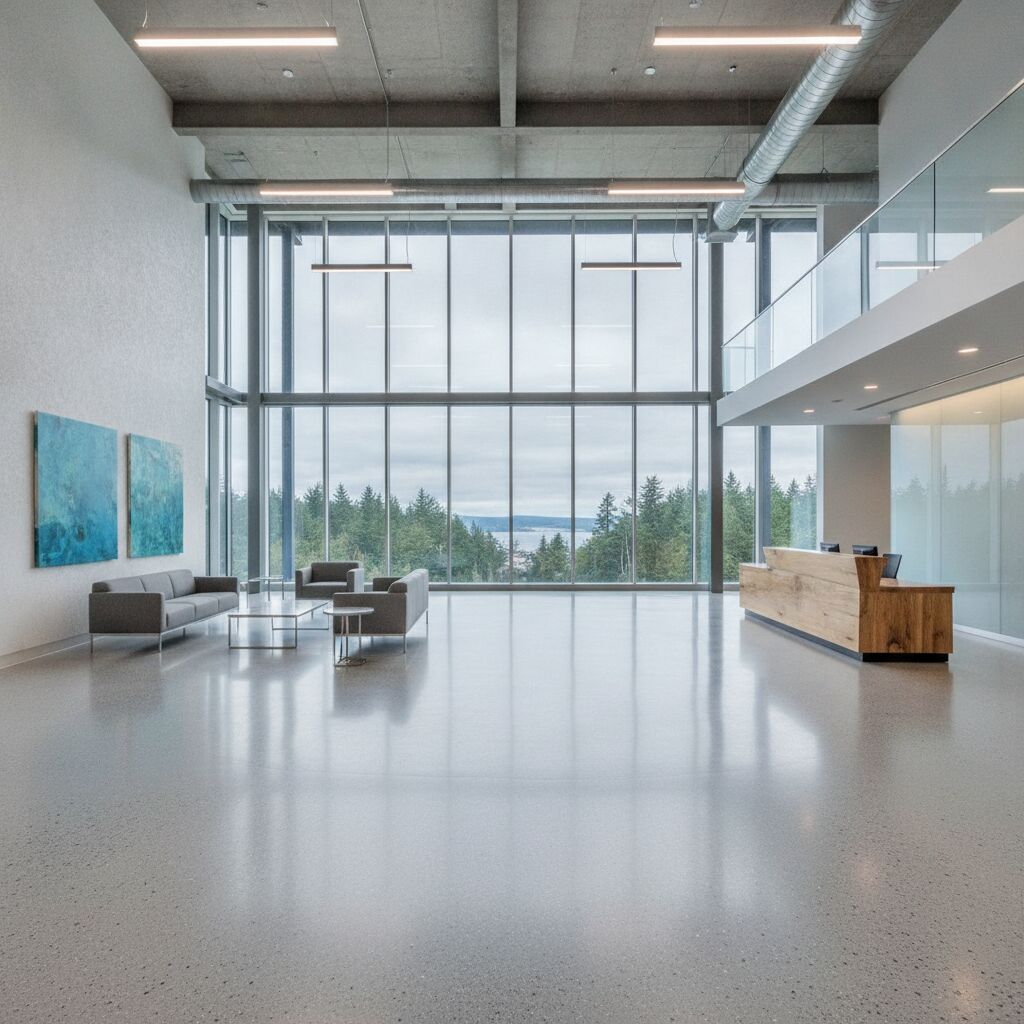
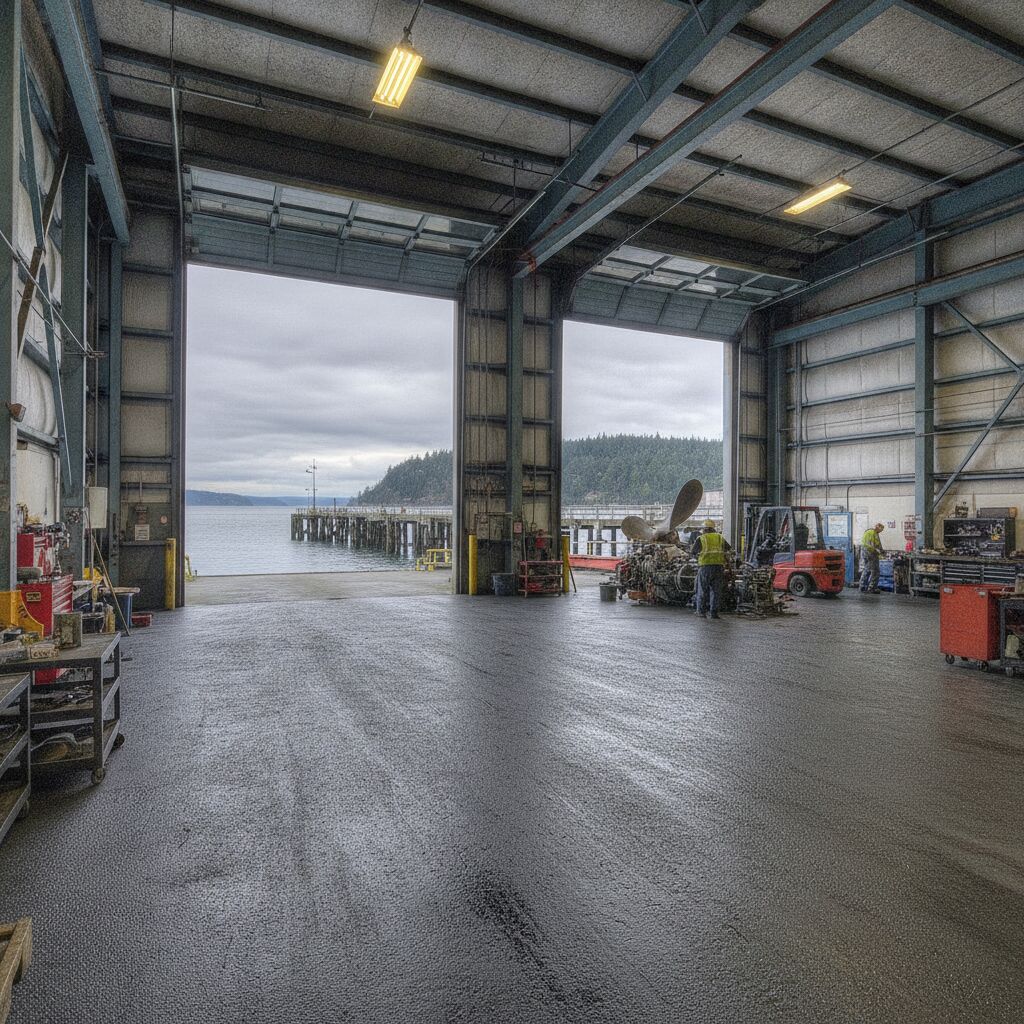
Concrete moisture testing, slab prep, and a barrier system matched to what we actually find — talk to us about your project.